
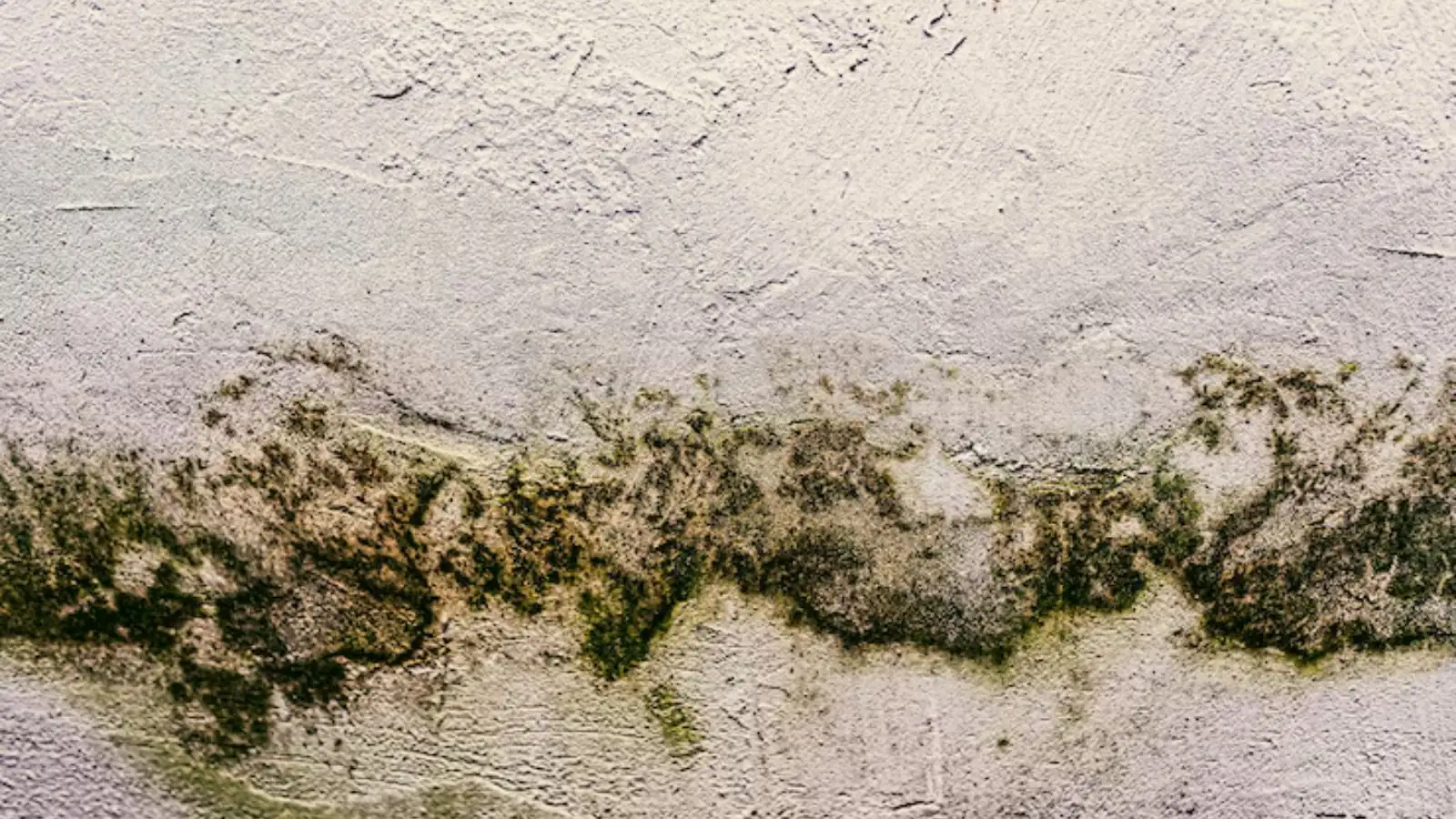
How Do You Get Rid of Black Mold? A Manhasset, NY Guide
The color of mold does not tell you how dangerous it is. The size, the material and the water source tell you what to do next.
☎ Call (833) 521-1033Black mold is the phrase that sends people searching at midnight. It usually refers to dark mold that appears on wet drywall, ceiling tile, window frames and shower surfaces, and it is often assumed to be toxic. The truth is more practical. You cannot identify a mold type from its color, and the response depends on how much there is and what it is growing on.
This guide follows the U.S. Environmental Protection Agency's advice on mold and moisture. It is general information, and questions about health symptoms belong with a physician.
Color does not identify mold
Mold comes in many colors, including black, green, white and orange, and the same species can look different on different materials. Only laboratory analysis can say what a particular sample is, and for most homes the sample result does not change the cleanup. The EPA says the focus should be on finding and fixing the moisture and removing the growth.
A dark stain can also be mildew, soot, dirt or old water staining. A damp, musty smell and a wet source strongly suggest mold. A dry stain with no smell may be an old water mark.
Step one: find the water
Look for a leaking pipe, a window that sweats, a bathroom without a fan, a roof leak or a damp basement wall. If the source is still active, nothing else you do will last. Close the leak first and begin drying. See our structural drying page for how drying is done.
- Check under sinks and behind toilets
- Check the ceiling below bathrooms and above showers
- Look at window sills and frames
- Inspect the basement walls and the corners of the foundation
- Watch the humidity in closed rooms
Step two: decide how big it is
The EPA says that patches smaller than about 10 square feet, roughly a three-foot by three-foot square, can usually be cleaned by the homeowner. Larger areas, extensive water damage or growth you cannot see call for professional guidance. If mold appeared after sewage or flood water, call a professional.
| Situation | Usual path |
|---|---|
| Small spot on tile or a sealed surface | Clean with detergent and water, dry fully |
| Small spot on painted drywall | Clean if surface only, replace if soft |
| Larger patch on drywall or ceiling | Professional assessment and removal |
| Growth after flood or sewage | Professional cleanup |
| Musty smell with nothing visible | Moisture survey and possible assessment |
Step three: clean safely
- Wear gloves, eye protection and a respirator rated for the job
- Keep the area ventilated if weather allows
- Scrub hard surfaces with detergent and water
- Remove materials that are soft, stained through or crumbling
- Bag waste before carrying it through the house
- Dry the area completely and keep humidity down
Do not dry-scrub or sand mold. The motion lifts spores into the air. Do not paint over it, and do not mix cleaning chemicals. The EPA does not recommend routine bleach use for mold.
When to call a professional
If the growth is larger than a few feet, if it returns after cleaning, if it sits inside a wall or if the water was contaminated, call a professional. In New York, mold assessment and removal are licensed trades, and the same individual may not perform both on one property, according to the state Department of Labor. Our mold remediation page explains the process.
Black growth in common household spots
- Shower corners and caulk lines: usually surface growth that responds to cleaning and better ventilation
- Window sills and frames: condensation in winter, so check weatherstripping and humidity
- Under sinks: a slow leak, so fix the fitting and replace soft board
- Basement walls and corners: seepage or humidity, so check grading and gutters
- Behind furniture on exterior walls: cold surfaces collect moisture, so leave a gap for air
In each case the pattern is the same. A surface stays wet or humid and growth follows. Identify which of those fits your home and fix it at the source.
What not to do
- Do not dry-brush or sand moldy surfaces
- Do not run a household fan across the growth
- Do not seal it in with paint or caulk
- Do not cut open a large moldy wall without containment
- Do not mix bleach and ammonia or other products
Each action spreads spores or hides the problem. When in doubt, stop and call for advice.
Manhasset notes
Near the bays and ponds, humid summer air can keep basements damp even without a leak. If your basement smells musty in July, a dehumidifier and a hygrometer help you see what is happening.
Older homes in Manhasset often have bathrooms without strong exhaust fans. Running a fan during and after showers does more to prevent black growth than any cleaner. Our Little Neck and Great Neck pages describe nearby places where we take calls.
Preventing a return
- Fix leaks promptly
- Keep indoor humidity below about 50 percent
- Vent bathrooms and kitchens to the outside
- Clean up spills and condensation within a day
- Keep gutters clear and downspouts directed away from the house
Local Questions
Color does not tell you. Treat any mold as a moisture problem, clean small areas safely and consult a physician about symptoms.
Testing identifies species but rarely changes the cleanup. In New York, an assessor writes the scope on larger jobs.
The EPA's standard advice for hard surfaces is detergent and water with complete drying. Do not mix products.
When it covers more than about 10 square feet, returns after cleaning or follows a leak you cannot locate.