
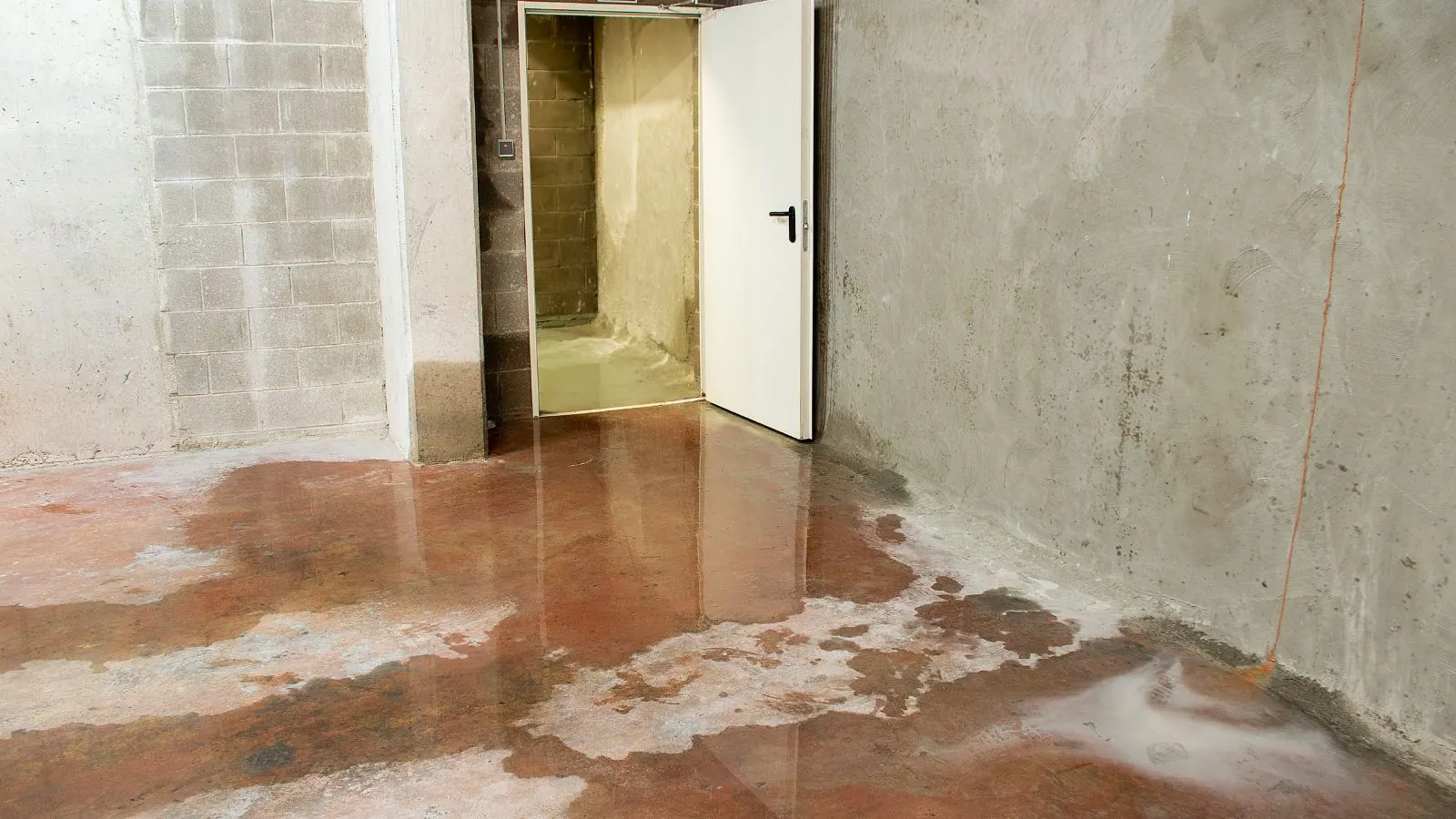
Emergency Slab Leak Water Damage in Manhasset, NY
A slab leak is a leak in a water line under or inside a concrete floor. This page explains how it shows itself, what cleanup involves and what a plumber must do.
☎ Call (833) 521-1033The signs that you may have a slab leak
People rarely say slab leak. They say the water meter keeps running when nothing is on, a spot on the floor feels warm, or they hear water moving in the walls at night. Those are the usual signs of a leak in a line that runs under or through a concrete floor, which is what slab leak water damage cleanup deals with.
A slab leak is a plumbing failure first. A plumber finds and repairs the line, and our work is the water damage the leak caused to floors, walls and framing. If you suspect a leak under the floor of your Manhasset home, call (833) 521-1033 and describe the signs.
A leak under the floor is an emergency
Water under a slab can run for a long time before it shows. When it does, it may rise through cracks and joints, lift flooring and wet the base of walls. If water is visibly spreading, close the main valve, move belongings off the floor and call the 24/7 line. If the water meter moves with every tap off, the leak is active even if you see nothing.
Water near outlets and heat
Slab leaks on hot lines can be warm, and water at floor level reaches outlets quickly. Cut power only from a dry position and call the utility or 911 for any sparking or gas odor before calling us.
How slab leaks fit local homes
We do not claim a share of Manhasset homes sit on slabs, because we have no source for it. Slab floors exist in additions, garages, some basements and finished lower levels, and a water line can run through any of them. The important point is the mechanism rather than a statistic. Where a supply or heating line is embedded in or under concrete, a pinhole there stays hidden.
The Manhasset-Lakeville Water District says a toilet leak can lose up to 100 gallons a day, and a dripping faucet 15 to 20. A hidden slab leak can lose similar volumes. A bill that rises while habits stay the same is a clue worth chasing.
What the plumber and restoration crew each do
| Task | Who | What it involves |
|---|---|---|
| Find the leak | Plumber | Pressure tests, listening equipment, line tracing |
| Repair or reroute the line | Plumber | Spot repair, replacement or a reroute through the walls |
| Remove water and wet materials | Restoration crew | Extraction, removal of wet flooring and base, sanitizing as needed |
| Dry the structure | Restoration crew | Air movers and dehumidifiers, moisture readings until dry |
Order matters. If the line is still leaking, drying only fills the room with moist air. We recommend the plumber confirms the leak is stopped, then the drying starts. When the water is already visible, we begin extraction at once and coordinate around the plumber.
Water rising from the floor?
Call (833) 521-1033. The line is open 24/7. Scope and price are explained before work starts.
Drying a floor that sits on concrete
Concrete holds moisture for a long time and releases it slowly into whatever sits above it. Wood flooring, laminate and carpet over a leaking slab keep absorbing until the slab is dry. Technicians use moisture meters made for flooring, and in some jobs a calcium chloride or relative humidity test is used on the slab to confirm readiness before new flooring goes down.
Flooring is often lifted to let the slab breathe. That can include hardwood, covered in the hardwood floor water damage repair page, and carpet, which has its own carpet water damage restoration steps. Baseboard comes off and wall cavities are opened at the bottom to dry wet plates and studs.
Cost and insurance
Price depends on how long the leak has run, the flooring and base materials, the area affected and the drying days. We explain scope and price before work starts. Insurance treatment of slab leaks varies by policy. Some cover sudden water damage from a plumbing line while excluding the cost of finding and repairing the line itself, so ask your insurer how yours reads and keep every invoice.
We serve slab and lower-level leaks in Manhasset and in Albertson, Great Neck, Roslyn, Roslyn Heights and Little Neck.
What to do before a plumber and crew arrive
- Close the main valve and check whether the meter keeps moving
- Keep children and pets off warm spots on the floor
- Do not drill or cut the slab yourself
- Photograph the meter reading and any wet flooring
According to the EPA WaterSense program, a household leak can waste a large volume of water, so locating it early matters. Industry practice for drying and cleanup follows the ANSI/IICRC S500 reference for water damage restoration, and you can ask any company whether its crews work to it.
Questions We Hear
Yes. The line is answered 24/7. If water is spreading, close the main valve and call (833) 521-1033. If you only suspect a leak, call and describe the signs.
Turn off every tap and appliance and check the water meter. If it still moves, a leak is active somewhere. A plumber can find where. A rising bill without other signs can also be a toilet or an irrigation line.
It can be. A warm patch on a floor can point to a leak in a hot water line under the slab. Call a plumber and avoid walking in bare feet if the floor is wet.
No. A plumber finds and repairs the line. We remove the water, dry the structure and restore what the water damaged.
Often at least in part. Wood and laminate over a wet slab usually have to be lifted so the concrete can dry. Readings decide how much.
Slab Leak Water Damage help in Manhasset
The 24/7 line is answered at (833) 521-1033. Scope and price are explained before work starts.
☎ Call (833) 521-1033