
Emergency Sewage Backup Cleanup in Manhasset, NY
Raw sewage is a health hazard and a safety job. This page explains why you should stay out of it, how crews contain and clean it and what it means for your home.
☎ Call (833) 521-1033Sewage backup: what to do first
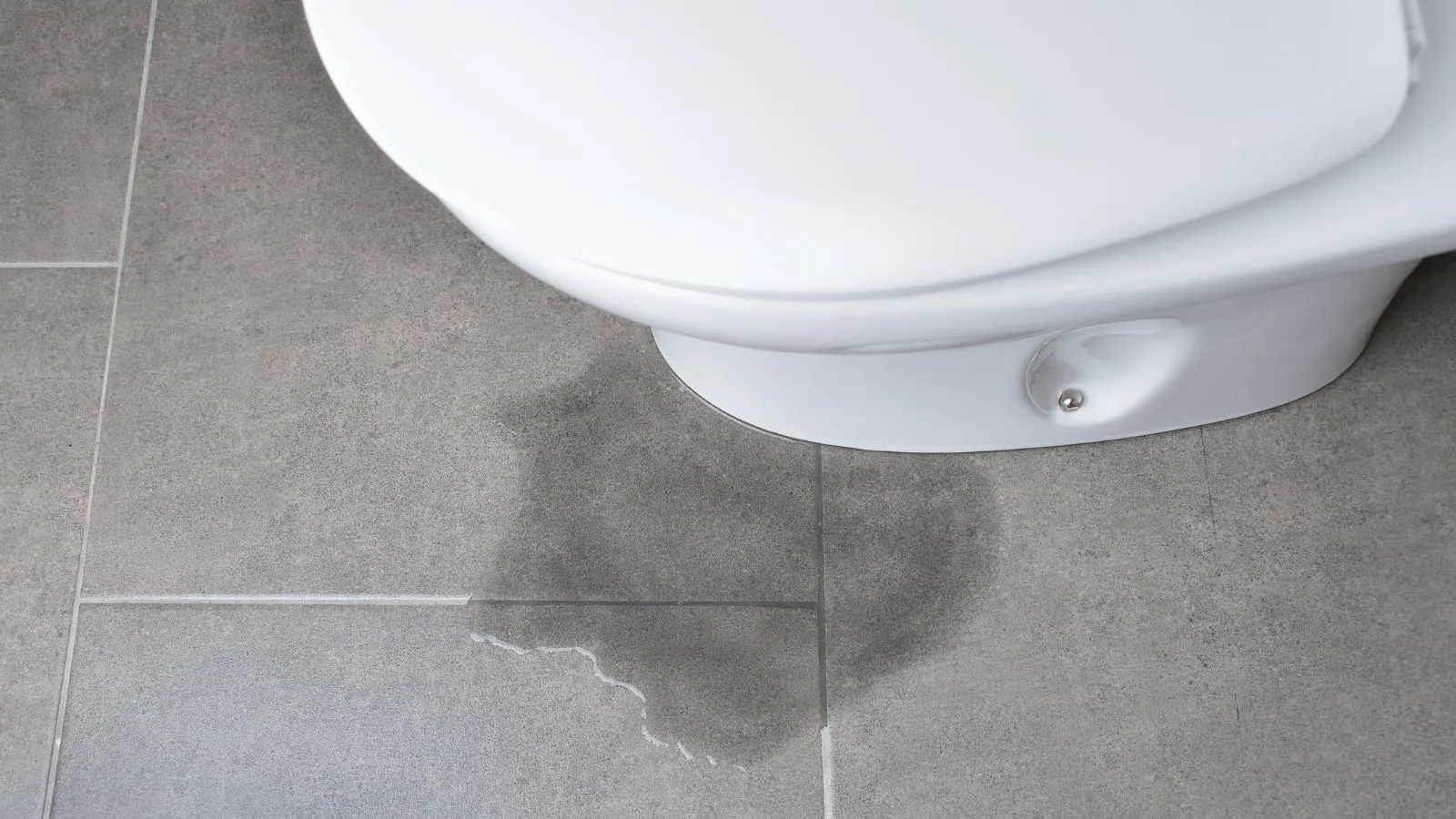
Sewage backup cleanup is Category 3 water work, meaning the water is grossly contaminated and may carry bacteria and other pathogens. If a toilet, floor drain or tub is pushing wastewater into your Manhasset home, stop using water, keep everyone out of the room and call (833) 521-1033. The line is answered 24/7.
- Stop running water and flushing, since the line is blocked
- Keep children, pets and anyone with a health condition away
- Do not touch the water or wet items without protection
- Do not use a household vacuum or fans to dry it
- Turn off power to the room only if you can reach the panel dry, and call the utility or 911 for any hazard
- Photograph the backup and affected items before anything is moved
Contaminated water is not a DIY cleanup
Household fans and a shop vacuum are not enough for sewage and can spread contamination through the air and the house. Call a professional with experience in contaminated water, as EPA guidance advises, and wear boots and gloves if you must enter.
The language of the trade
Restoration crews use category numbers. Category 1 is clean water, Category 2 is gray water and Category 3 is black water, which includes sewage and floodwater. Under ANSI/IICRC S500, Category 3 water means porous materials such as carpet, pad and drywall contacted by it generally come out rather than being dried in place.
Where Manhasset sewage problems start
Manhasset is only partly sewered. The Great Neck Water Pollution Control District serves sewered areas, including a line along Northern Boulevard, and the rest of the hamlet relies on cesspools and septic systems. The district's 2020 feasibility study looked at bringing sewers to the Plandome Road business district and treated the Bayview area as a secondary area.
That mix matters for backups. A home on a septic system or cesspool has a private system that can fail, while a home on public sewer depends on a line shared with neighbors. A backup limited to your own fixtures points to a blockage in your lateral, and a backup affecting several homes points to a main. A plumber or the sewer district sorts out which.
How crews clean a sewage loss
- Contain the area so contamination does not travel
- Remove liquid with extraction units made for contaminated water
- Remove and bag affected carpet, pad, drywall and insulation
- Clean and disinfect framing and hard surfaces with products identified for the task
- Dry the structure with air movers and dehumidifiers
- Verify with readings and a visual check before rebuilding
Crew members wear protective gear, including gloves, boots and respiratory protection. Contents that were touched by the water, such as soft furnishings, are usually discarded, and hard items can be cleaned. Sanitizing is not a substitute for removal of porous materials, and no company can promise that every item will be saved.
Sewage in the house?
Call (833) 521-1033. The line is answered 24/7, and scope and price are explained before work starts.
Sewage backup versus flood water
| Question | Sewage backup | Flood water |
|---|---|---|
| Source | Sewer line, cesspool or septic overflow | Rain, groundwater or surge |
| Category | 3 | 2 to 3 |
| Typical rooms | Basements, bathrooms, laundry | Ground floors, basements |
| Page | This page | Flood damage cleanup |
A sewer backup can also coincide with flooding. When heavy rain overloads storm and sanitary lines, water may enter at floor drains. In that case both pages apply, and the crew treats the whole loss as Category 3.
Cost and insurance
Price depends on the volume, how many rooms, the materials that must be removed, and the safety steps required. We explain scope and price before work starts. The state insurance department notes that coverage for sewer or drain backup may require a water back-up endorsement, so check your policy or ask your insurer, and document before cleanup.
We serve Manhasset and Great Neck, Little Neck, Roslyn, Albertson and Roslyn Heights.
Questions We Hear
Yes. The line is answered 24/7. Stay out of the water, stop using plumbing and call (833) 521-1033.
Contamination, protective gear and safe disposal make it a professional task. If you must enter, wear boots and gloves and avoid contact with skin and eyes.
Usually not. Carpet and pad touched by sewage are generally removed. Hard surfaces can often be cleaned and sanitized.
A plumber or the sewer district, depending on where the blockage sits. We clean up and dry afterward.
Often it requires a water back-up endorsement. Check your policy, ask your insurer and keep photos.
Sewage Backup Cleanup help in Manhasset
The 24/7 line is answered at (833) 521-1033. Scope and price are explained before work starts.
☎ Call (833) 521-1033