
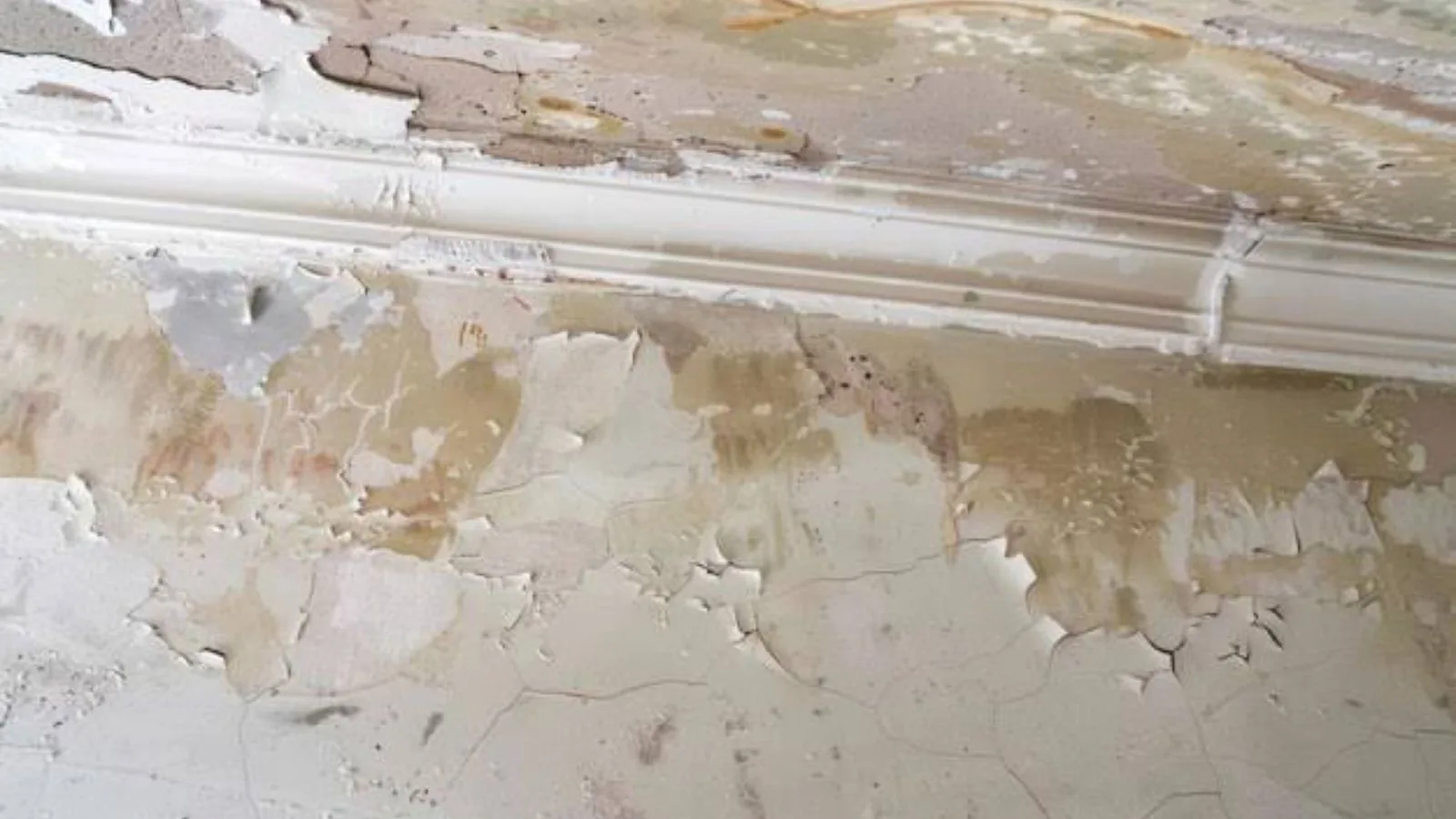
Wall and Drywall Water Damage in Manhasset, NY
Drywall wicks water upward and hides moisture in the cavity. This page covers soft spots, stains and the rebuild after a leak.
☎ Call (833) 521-1033Wall and drywall water damage repair treats the wall as a system of paper-faced gypsum, studs, insulation and paint. Water gets in from plumbing in the wall, a roof or window leak, or a flood at floor level, and the drywall wicks it upward. If a wall in your Manhasset home feels soft, bubbles or shows a stain, call (833) 521-1033 and describe where it is and what is on the other side.
A wall that is wet, soft or bubbling
- A soft spot or a hole forming in drywall that has been wet
- Paint that bubbles, peels or blisters
- Brown stains that expand after rain or after the shower runs
- Baseboard that swells or pulls away
- A damp or musty smell near a wall
- Wallpaper that lifts at the seam
A soaked wall can feel solid on the surface and still be wet inside. A moisture meter and a thermal camera show the extent. Do not cut the wall open yourself if the leak is active or the wall might contain wiring near water.
Where wall water comes from
| Source | Where it shows | Check |
|---|---|---|
| Supply or drain line in the wall | A single stain, often with a rising water bill | See burst pipe water damage |
| Roof, window or siding leak | Upper walls, window corners | A roofer or window contractor repairs the cause |
| Flood or ground-level water | A wet line from the floor up | See flood damage cleanup |
| Shower and tub surrounds | Behind tile or on the opposite side of the wall | Caulk, grout and valves |
Drywall wicks upward from the floor, so a flood line often sits a foot or two up the wall, and the wet portion is higher than the stain shows. The usual cut is a flood cut about 12 to 24 inches above the highest wet reading, followed by drying of the studs. That is a standard practice and a crew decides the height by readings.
Dry or replace?
Clean water caught early can dry in place if the drywall has not softened. Drywall that has crumbled, sagged or contacted contaminated water is removed. Insulation behind a wet wall is usually removed because it holds water against the studs. The paper face of drywall is also food for mold, so the deciding factor is time and cleanliness.
- Locate the source and stop it
- Map the wet area on both sides of the wall
- Remove baseboard and open cavities where needed
- Dry with air movers and cavity drying equipment
- Confirm dry readings on studs and plates
- Patch, tape, mud, prime and paint to match
Wet wall in your Manhasset home?
Call (833) 521-1033. The line is answered 24/7, and scope and price are explained before work starts.
The repair side
After the wall is dry, the rebuild is a drywall repair. Joints are taped and finished, texture is matched and the wall is primed and painted. We can provide the restoration work or hand you the written scope and readings if you prefer your own contractor.
In Manhasset homes, matching paint and texture after a patch is a common worry. A skilled finisher feathers the repair, primes the patch so it does not flash through the topcoat and paints the full wall to the corner. When the damage spans a ceiling line, see ceiling water damage repair.
Cost and insurance
Price depends on the linear feet of wall, the height of the cut, the insulation, the finishes, the drying days and the paint. We explain scope and price before work starts. Photos and moisture readings support a claim, and coverage depends on cause and your policy, so ask your insurer. We serve Manhasset, Great Neck, Roslyn, Albertson, Roslyn Heights and Little Neck.
What not to do
- Do not cut into a wall near wiring while it is wet
- Do not paint over a stain before the wall is dry
- Do not seal a wet wall with primer
- Do not ignore a musty smell near the stain
Industry practice for drying and cleanup follows the ANSI/IICRC S500 reference for water damage restoration, and you can ask any company whether its crews work to it.
Questions We Hear
No. Clean water caught early can dry in place. Softened, crumbling or contaminated drywall is removed.
The cut goes above the highest wet reading, commonly a foot or two over a flood line, and crews decide by readings.
Only after the source is fixed and the wall is dry. Otherwise the stain returns and the paint peels.
Wet insulation usually comes out. It holds water against studs and dries slowly.
Sudden damage is often covered while gradual leaks often are not. Ask your insurer and keep photos.
Wall and Drywall Water Damage help in Manhasset
The 24/7 line is answered at (833) 521-1033. Scope and price are explained before work starts.
☎ Call (833) 521-1033