
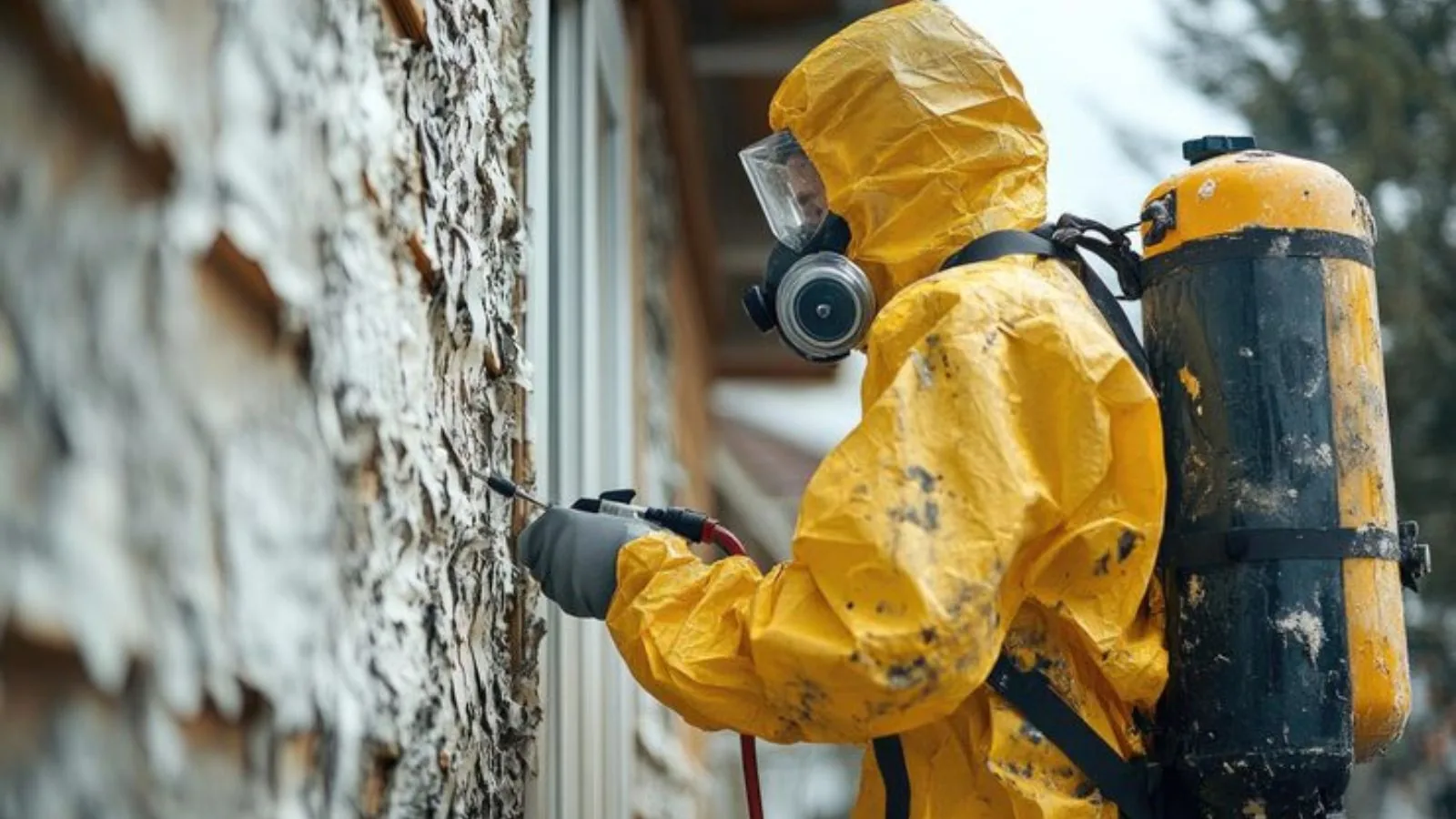
Product to Get Rid of Mold: A Manhasset, NY Homeowner Guide
Cleaners can handle small mold on hard surfaces. They cannot fix a leak or remove mold from porous material. Here is where the line sits.
☎ Call (833) 521-1033The aisle at the hardware store is full of sprays that promise to kill mold. Some of them work on the surface they touch. None of them fix the reason mold grew. This guide explains what the U.S. Environmental Protection Agency (EPA) says about cleaning mold, which materials can be cleaned and which ones cannot.
It is general information. If the mold covers a large area, came from sewage or flood water, or sits in an HVAC system, call a professional. The EPA draws that line too.
Moisture comes before any product
Mold needs water. The EPA's basic advice is to fix leaks quickly and dry everything completely. If the cause is still active, a cleaner only removes what is visible today. The mold returns when the surface gets wet again, usually within weeks.
That is why a leak under a sink or a damp basement wall comes before the shopping trip. A plumber or roofer stops the water. Drying equipment, such as that described on our structural drying page, removes the moisture. Then cleaning has a chance to last.
What the EPA says about cleaning
For small areas on hard surfaces, the EPA says scrubbing with detergent and water and drying completely is the standard approach. Wear gloves, eye protection and a mask rated for the job. Do not mix cleaning products, and in particular never mix bleach with ammonia, because the fumes are dangerous.
The EPA does not recommend routine use of biocides such as bleach for mold. Bleach may remove color from a stain and leave the underlying growth, and it adds moisture. The agency says the goal is to remove the mold, not just kill it, because dead mold can still cause reactions.
| Material | Can it be cleaned? | Usual approach |
|---|---|---|
| Tile, glass, metal, sealed countertops | Yes, if growth is small | Detergent and water, then dry |
| Painted drywall surface | Sometimes, if only surface growth | Clean and dry, replace if soft |
| Unpainted drywall, ceiling tile | Usually not | Remove and discard |
| Carpet and padding | Usually not if moldy | Remove and discard |
| Wood framing | Sometimes | Clean, dry and assess |
| Insulation | Usually not if wet and moldy | Remove and discard |
The EPA notes that porous materials such as ceiling tiles and carpet may have to be thrown away if they become moldy. That is why a product cannot always do the job. If the mold has grown into the material, there is nothing on the surface to scrub.
How big is too big
The EPA says that patches smaller than about 10 square feet, roughly a three-foot by three-foot square, can in most cases be handled by building maintenance staff or homeowners. Larger areas, widespread water damage or mold in an air handling system call for professional guidance. Hidden mold behind walls is another reason to call.
- Growth larger than about 10 square feet
- Mold after a sewage or flood event
- Musty smell with no visible source
- Mold in ductwork or around the air handler
- Anyone in the home with health concerns
- A leak that has not been found
Questions about symptoms belong with a physician. We do not diagnose health conditions. If you are unsure whether your situation is small or large, our mold remediation page explains how assessment and removal work in New York.
Protective gear and ventilation
Even a small cleanup stirs spores and dust. The EPA suggests gloves, eye protection and a respirator such as an N95 for small jobs. Seal off the room with plastic sheeting if you can, and run a fan that blows outside rather than into other rooms. Bag moldy debris before you carry it through the house.
Wash your hands and clothes after the job. If anyone in the household has asthma or another condition that makes dust risky, have someone else do the work or hire help. Questions about symptoms belong with a doctor.
Products to be cautious about
Some products promise to kill mold on contact or to seal it in. Be careful with them. Read the label for the surface, the ventilation needs and any warnings about mixing. Never combine products, and do not use a product indoors that is labeled for outdoor use.
A moisture meter and a dehumidifier cost more than a spray, yet they address the cause. If you spend money on one thing after a leak, spend it on drying.
Manhasset notes
Basements in low parts of Manhasset can hold humidity even without a leak. A dehumidifier and a hygrometer are inexpensive ways to see whether the air stays damp. Many guides suggest keeping indoor humidity below about 50 percent.
Mold in a bathroom is usually a ventilation problem. A working exhaust fan and a squeegee after showers do more than any spray. Our Roslyn Heights and Great Neck pages describe the nearby larger homes where multiple bathrooms multiply the issue.
Shopping notes
Look for products labeled for the surface you are cleaning and read the directions. Check the label for ventilation requirements. A plain detergent is often all you need for hard surfaces. A HEPA vacuum helps with dust but does not fix a wet wall.
Avoid sprays sold as encapsulants or fog treatments for large areas. They can hide growth without removing it, and they do not solve the moisture source. If a surface is soft, stained through or smells after cleaning, the answer is usually removal.
Local Questions
No product fixes damp walls. Fix the moisture first. Then scrub small areas on hard surfaces with detergent and water, and consider professional help for larger areas.
The EPA does not recommend routine bleach use for mold. Detergent, water and complete drying are the standard approach for small areas.
Painting over mold hides it and does not remove it. Clean and dry first, and replace materials that cannot be cleaned.
When growth exceeds roughly 10 square feet, when water was contaminated or when the source of the moisture is unknown.