
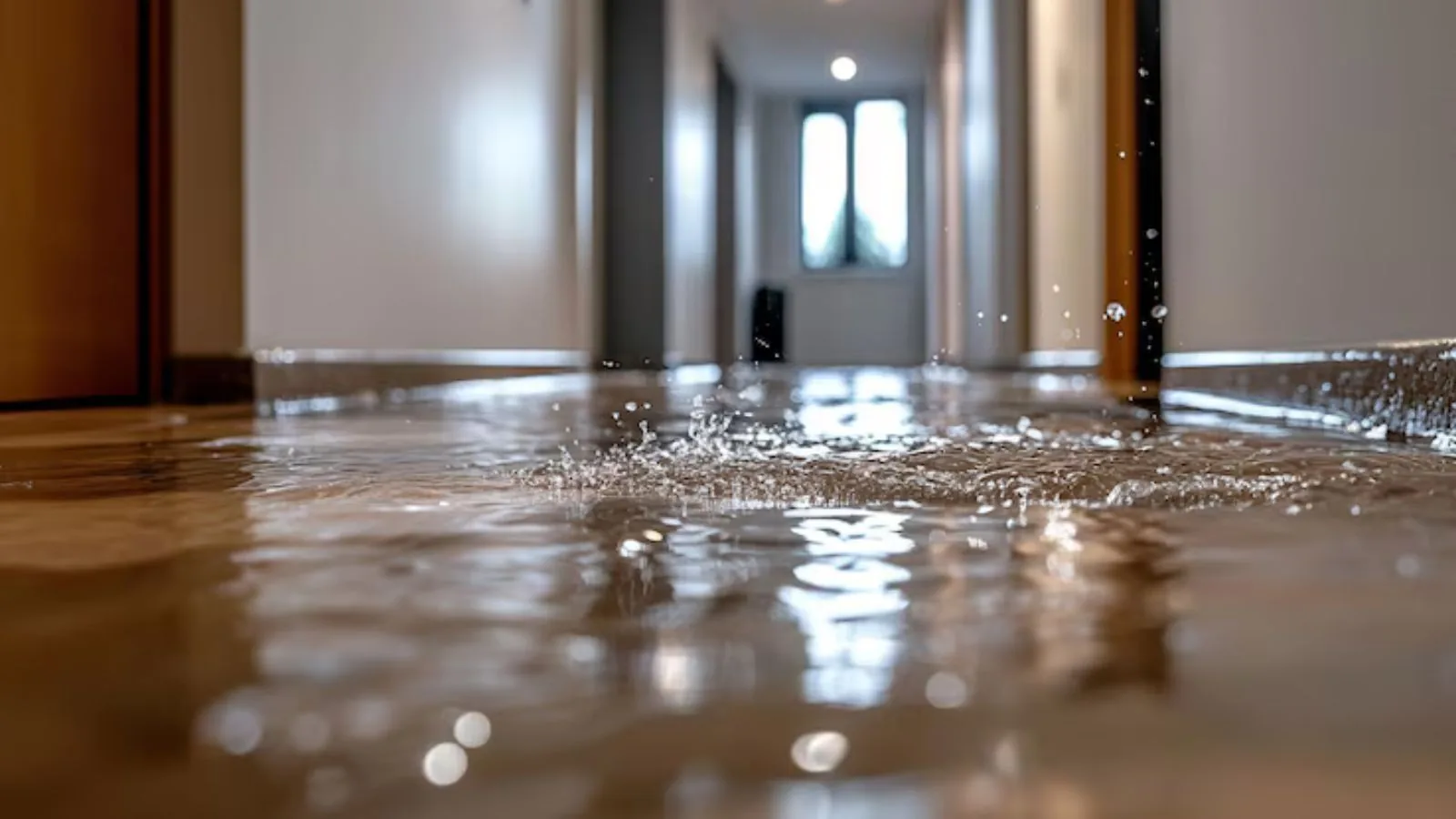
Seasonal Water Damage Risks to Check Yearly in Manhasset
Water risks change with the calendar. A walk-through each season catches the problem that fits it before it becomes a loss.
☎ Call (833) 521-1033Water damage is not evenly spread across the year. Cold snaps split pipes, spring thaws test foundations, summer storms flood basements and autumn leaves clog gutters. Because each season brings a different failure, a short yearly routine, one pass per season, catches most of them.
This guide lays out that routine for a Manhasset home. It draws on local weather history and general guidance from the National Weather Service and the EPA.
Winter: freezing and ice
Pipes in exterior walls, crawl spaces, garages and unheated rooms are the first to freeze. A frozen pipe often splits quietly and leaks only when it thaws. Know where your main shutoff is, because that is what you turn first.
- Insulate pipes in exposed areas
- Keep the heat on and let cabinet doors open on very cold nights
- Disconnect hoses and shut off outdoor spigots
- Let a faucet drip during extreme cold if you have a vulnerable line
- Check on empty or vacant properties
Ice dams can push water under shingles. Watch for stains on upper ceilings after a thaw. See frozen pipe water damage for what to do if a pipe splits.
Spring: thaw and rain
Spring brings steady rain and soil that has not drained. Check the basement walls and the floor for seepage, especially after a rainy week. Look at the sump pump, and test it. Re-grade soil that has settled against the foundation.
Check the roof for winter damage and the gutters for debris. Look at the caulk around windows and doors. Small gaps become ceiling stains by summer.
Summer: cloudbursts and humidity
Stalled fronts and thunderstorms can deliver heavy rain in hours. On July 31, 2025, the National Weather Service reported 3.35 inches at Great Neck, 1.60 inches at Albertson and 1.01 inches at Port Washington. Basements and garages are the first to feel it. See basement water damage cleanup.
Summer also means air conditioners. A clogged condensate line can drip into a ceiling for weeks. See AC leak water damage. Humid air keeps basements damp, so a dehumidifier and a hygrometer are useful.
Fall: gutters and shutoffs
- Clean gutters after the leaves drop
- Check the roof and chimney before winter
- Shut off and drain outdoor faucets
- Service the boiler or furnace
- Test smoke and carbon monoxide alarms
- Check washer hoses and water heater
Washer hoses and water heaters are common failures that can strike in any season. Many guides suggest replacing washer hoses every few years and inspecting the heater's base annually. See appliance leak water damage and water heater leak cleanup.
| Season | Main risk | Quick check |
|---|---|---|
| Winter | Frozen pipes, ice dams | Exposed pipes, upper ceilings |
| Spring | Seepage, saturated soil | Basement walls, sump pump |
| Summer | Cloudbursts, AC drips | Basement, condensate line |
| Fall | Clogged gutters, shutoffs | Gutters, outdoor spigots |
A twenty-minute seasonal walk-through
You do not need to be an expert. Take a flashlight, a phone and a notepad. Start at the roof line from the yard, then the gutters, then the foundation. Go inside to the attic, the upper-floor ceilings and the bathrooms. Finish in the basement, the water heater area and the laundry.
Look for stains, drips, rust, bulging paint and musty smells. Touch the pipes under sinks. Run the washer and watch the hoses. Take photos of anything odd, with the date, and compare them next season.
Pipes and appliances do not follow seasons
Some failures ignore the calendar. A supply line can split in July and a water heater can fail in March. Age matters more than season for these parts. Many plumbers recommend replacing rubber washer hoses with braided stainless ones and replacing a tank water heater before it reaches the end of its expected life. Check the label for the manufacture date.
Vacation and vacant homes
Homes left empty for a week or more are at higher risk, because a leak can run without anyone noticing. Before you travel, close the main valve or the fixture valves, set the thermostat for the season and ask someone to check the house. In winter, a neighbor or relative who can walk through every few days is worth the favor.
If you own a second home or an empty property, consider a water sensor that sends an alert to your phone.
According to the EPA, keeping indoor humidity below about 60 percent, and ideally between 30 and 50 percent, helps prevent mold growth. Industry practice for drying and cleanup follows the ANSI/IICRC S500 reference for water damage restoration, and you can ask any company whether its crews work to it.
Manhasset notes
The Harbor Hill Moraine runs through this part of the North Shore, and the ground is a mix of glacial deposits. Water moves differently through different soils, which is one reason neighboring basements behave differently.
Coastal winds off Manhasset Bay can drive rain sideways into windows and siding in storms. Our Great Neck and Roslyn Heights pages describe nearby places with different terrain.
Keep a log
Write down what you checked and the date. A simple note on your phone is enough. It helps you remember when the water heater was last inspected, and it supports an insurance claim if something fails despite maintenance.
Local Questions
Frozen pipes in unheated areas and exterior walls, followed by ice dams on roofs.
Before the rainy season and after any long dry spell. Test it again after a power outage.
Many guides suggest every few years. Check the manufacturer's advice and replace bulging hoses sooner.
It depends on the year. Spring seepage comes from saturated soil, and summer flooding comes from fast heavy rain.